How Modern Technology Is Transforming Aviation: From Cockpit to Cloud
Aviation has always been a showcase of engineering excellence — but today, the real innovation is happening behind the scenes, in code, sensors, and data. From cockpits that look more like computer terminals to AI systems managing entire airspaces, technology is quietly rewriting how we fly. Here's a look at how deep that transformation really goes.
A New Era for Aviation
Aviation has always pushed the limits of engineering, but the last decade has brought a different kind of transformation — one driven not by faster engines or bigger wings, but by software, data, and connectivity. From the cockpit to the control tower, technology is reshaping how aircraft are flown, maintained, and managed.
Fly-by-Wire and Digital Cockpits
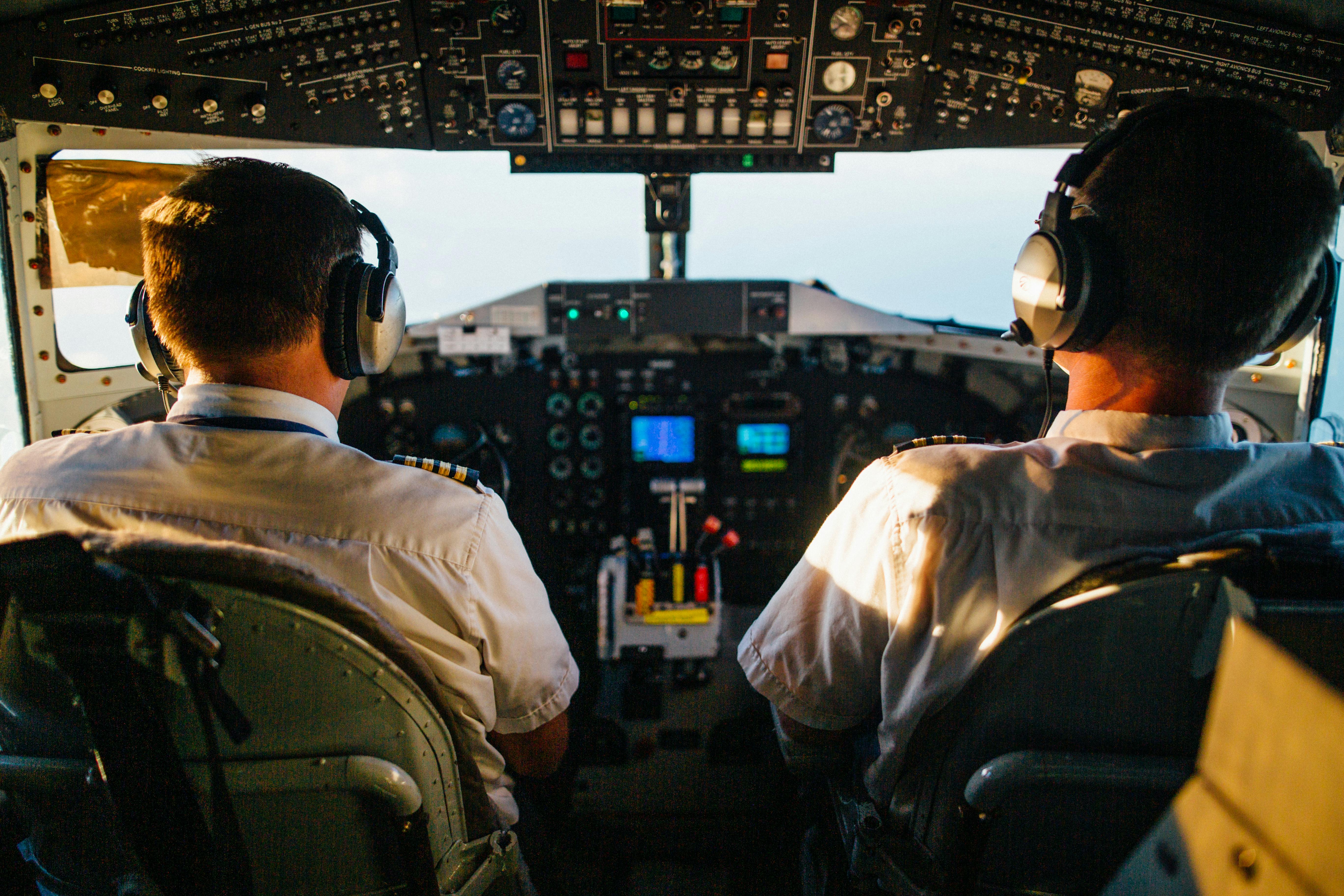
Modern aircraft rely on fly-by-wire systems, replacing traditional mechanical controls with electronic interfaces that translate pilot input into precise flight surface movements. Combined with glass cockpits — digital displays that consolidate dozens of analog gauges into a handful of intuitive screens — pilots now have real-time access to flight data, navigation, and diagnostics that would have been unimaginable a generation ago.
Predictive Maintenance and IoT Sensors
Modern aircraft are covered in sensors that continuously monitor engine performance, structural stress, and system health. This constant stream of data feeds predictive maintenance systems that can flag a potential issue before it becomes a failure — reducing unscheduled downtime and improving safety margins across entire fleets.
Artificial Intelligence in Air Traffic Management
Air traffic control is one of the most complex coordination problems in the world, and AI is increasingly stepping in to help. Machine learning models can now predict congestion patterns, optimize flight paths for fuel efficiency, and even assist controllers in managing weather-related disruptions — all in real time.
- Dynamic route optimization based on live weather and traffic data
- Automated conflict detection between aircraft in shared airspace
- Fuel-efficiency modeling that can reduce emissions across a flight network
The Rise of Electric and Hybrid Aircraft
Just as the automotive industry shifted toward electrification, aviation is exploring the same path. Electric and hybrid-electric aircraft are already flying in short-range and training contexts, with several manufacturers targeting regional passenger flights within the next decade. The challenge remains battery energy density — but rapid advances in battery technology are narrowing that gap year over year.
Software Is Now Mission-Critical
Perhaps the most significant shift is cultural: aviation companies are increasingly thinking like software companies. Firmware updates, cybersecurity for connected aircraft systems, and cloud-based fleet analytics are now core parts of running an airline — a far cry from the purely mechanical world aviation once was.
Where This Is Heading
The convergence of aviation and technology isn't slowing down. Autonomous flight systems, AI-assisted piloting, and fully digital air traffic networks are no longer distant concepts — they're active areas of development today. For anyone passionate about either field, aviation is quickly becoming one of the most exciting places where hardware and software intersect.
This post may contains affiliate links. If you make a purchase through one of these links, we may earn a commission at no extra cost to you.
